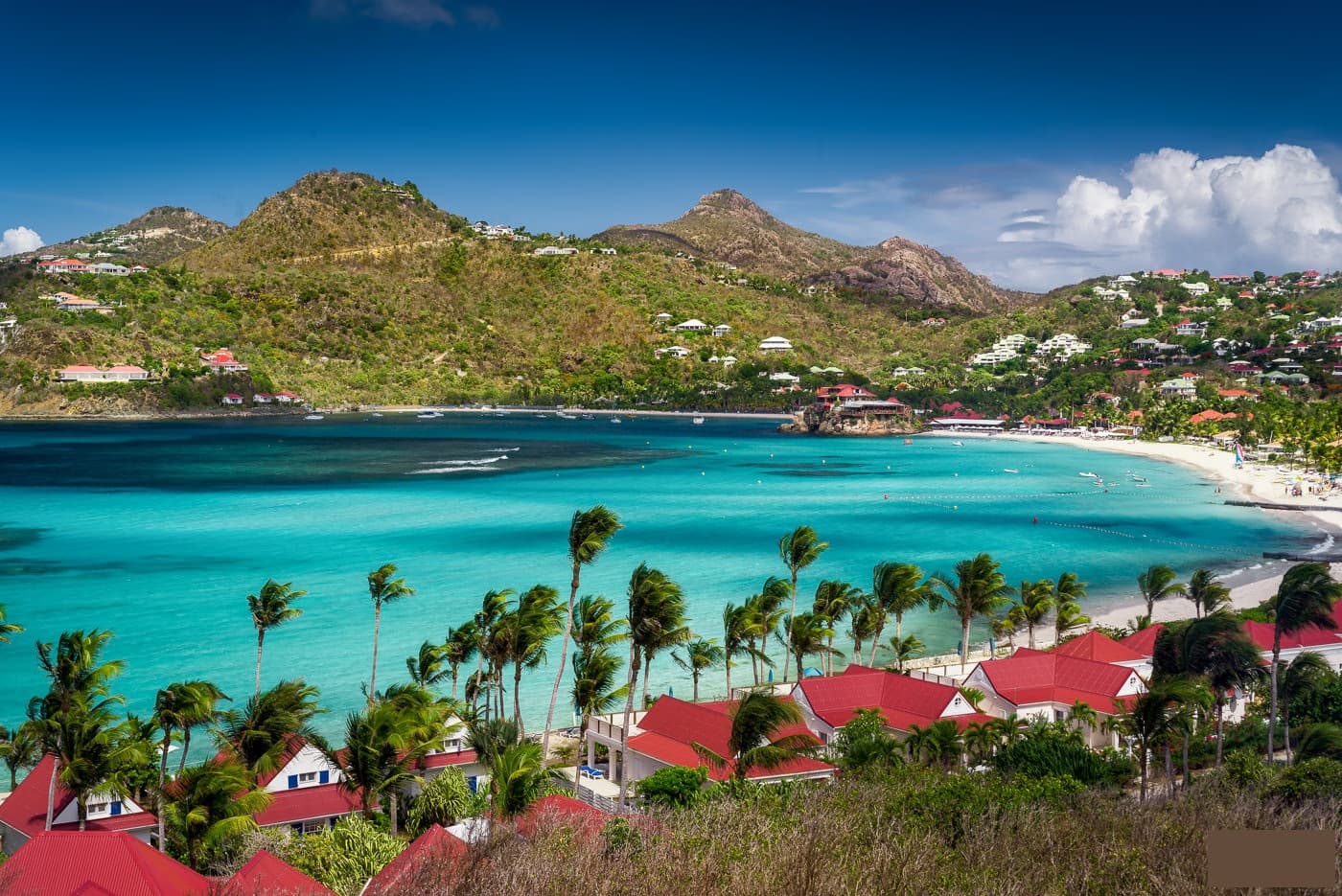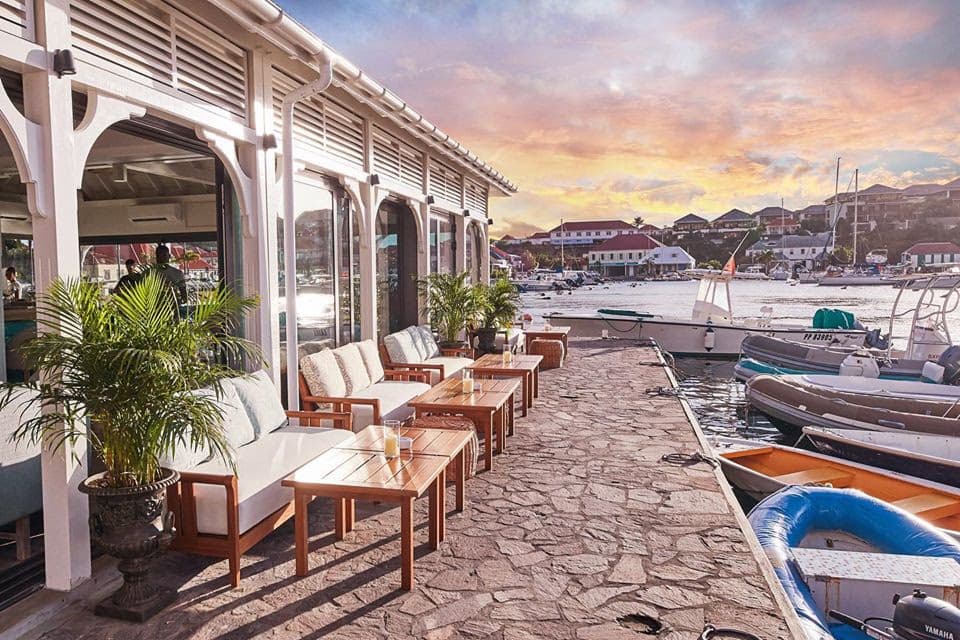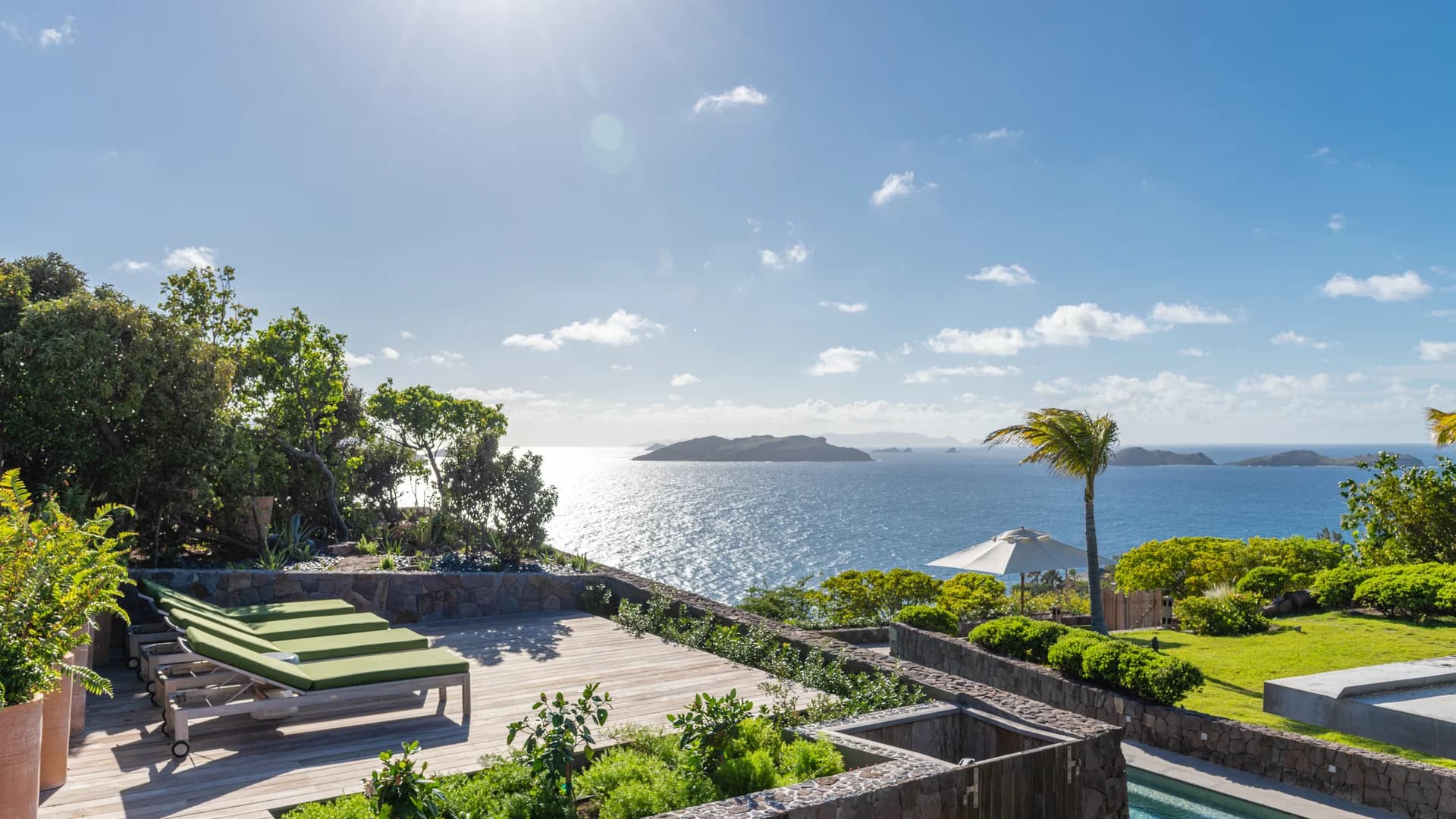

The best beaches in St. Barth are the reason a lot of people fall for this island and keep coming back. St. Barth is a small island, and yet it has more than twenty white-sand beaches, each one with its own character. Some are lined with beach clubs and easy to reach in a few minutes from Gustavia. Others sit at the end of a dirt road or a coastal trail, with no bar, no shade, and no one selling anything. Part of the pleasure here is that you can have both in the same day.
Every beach on the island is public. Under French law the shoreline belongs to everyone, so even the beach in front of the grandest hotel is open to you, as long as you reach it from the sand and not through private property. Topless sunbathing is allowed and common. Full nudity is officially prohibited, though the quiet ends of the most remote beaches are relaxed about it.
This guide walks through the beaches one by one. For each one I note the character, who it suits, how you get there, what facilities you will and will not find, and whether the swimming and snorkeling are any good. Then there are sections on the best snorkeling, the wild surf beaches and how to stay safe on them, how to choose between a secluded cove and a lively one, and the practical details that make a beach day here go smoothly. We live and work on St. Barth, so these are field notes, not a brochure.
How to think about the best beaches in St. Barth
Before you pick a favorite, it helps to understand two things about the island. The first is wind. St. Barth sits in the trade winds, which blow from the east most of the year. The east and south-facing coasts, the windward side, get more swell, more current, and sometimes seaweed. The north and west-facing coasts, the leeward side, are calmer and better for swimming and snorkeling. When the wind is up, you move to the sheltered side. Locals do this without thinking.
The second is development. A handful of beaches have hotels, beach clubs, and restaurants right on the sand. Most do not. The two most beautiful beaches on the island, Saline and Gouverneur, have nothing at all, and that is exactly why people love them. So the real question is not which beach is best in the abstract. It is which beach is best for the day you want. A lazy lunch with your feet in the sand is one place. A long quiet afternoon with a cooler and a book is another.
Distances are short. You can cross the island by car in about twenty to thirty minutes, so nothing is truly far. What varies is the last stretch, whether you park and step onto the sand or whether you walk a trail or take a boat.
Anse de Grande Saline
Saline beach, or Anse de Grande Saline, is the one many people name first when they talk about the best beaches St Barth has to offer. It is a wide, open crescent of pale sand on the south coast, with no buildings in sight. To reach it you drive to the parking area at the end of the road, then walk a few minutes over a small dune. The moment the beach opens up in front of you is the whole point.
There are no facilities on the sand. No loungers, no bar, no shade. A couple of restaurants sit back near the parking area, but the beach itself is bare, so you bring what you need. The water is usually clear and good for swimming, with enough openness that small waves can roll in on a breezy day. Saline suits people who want space, quiet, and a natural setting. It is also the most relaxed beach on the island about topless and, at its far ends, nude sunbathing. Bring water, bring shade, and bring reef-safe sunscreen, because there is nowhere to buy any of it once you are on the sand.
Anse du Gouverneur
Gouverneur beach is Saline's neighbor in spirit, another undeveloped beach with no facilities, set inside a bay closed off by green hills. You reach it by driving up through the Lurin hills, and there is a moment near the top where the whole bay appears below you, framed by the road. People stop their cars there just to look. Then the road drops down to a small parking area right behind the sand.
Like Saline, Gouverneur gives you nothing but the beach. No vendors, no shade, no loungers. It tends to be a little quieter than Saline, partly because it feels more enclosed. The swimming is good, the sand is soft, and the hills on either side give it a sheltered, private feel. This is a beach for a long afternoon with everything you need packed in a bag. It also faces south, so on certain swells it can pick up a bit of surf and, in some seasons, a line of sargassum. Neither is common, but both are worth a quick check before you commit your whole day to it.
Anse de Colombier
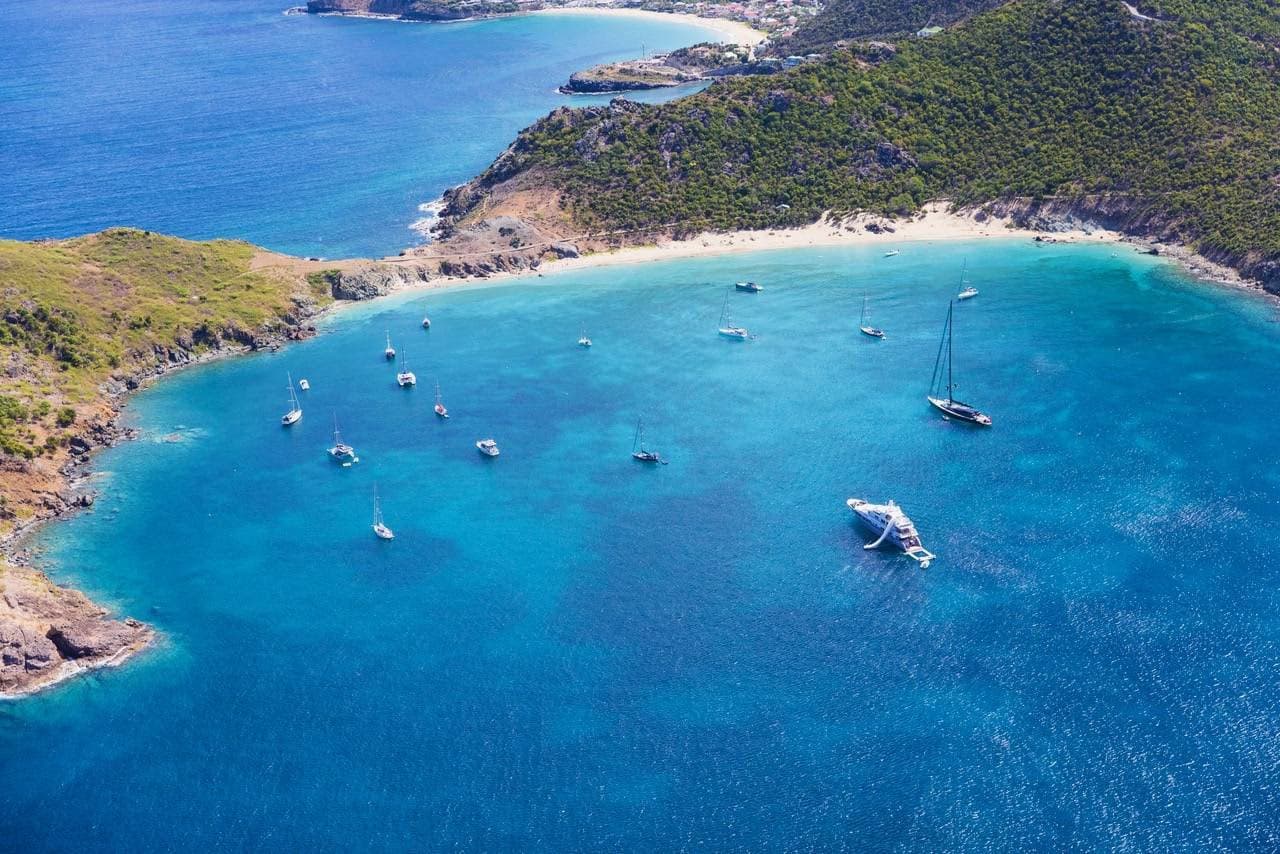
Colombier is the beach you earn. There is no road to it at all. You get there one of two ways, by boat or on foot. The walking route is a coastal trail from Petite Anse, near Flamands, and it takes most people about twenty to thirty minutes, a bit more if you take it slowly and stop for the view, which you will. The trail is rocky in places, so wear real shoes, not flip-flops.
The reward is a calm, protected bay on the northwest tip of the island. Because it faces away from the trade winds, the water is usually flat and clear. The snorkeling is some of the best on St. Barth, with sea turtles that graze near the shore and plenty to see along the rocks. Colombier is part of the island's marine nature reserve, so boats use mooring buoys rather than dropping anchor on the seabed. There are no facilities here either, which keeps it quiet even in high season. Most people who come by land bring a small backpack and make an afternoon of it. Most people who come by sea arrive on a boat, drop onto a buoy, and swim in. If you want the easy version, this is the beach to reach by boat.
St Jean
St Jean is the busy heart of the island's beach life. It is a reef-protected bay on the north coast, split in two by a rocky point, with beach clubs and beach restaurants along the sand and shallow, calm water inside the reef. This is where you go for a lively day, a long lunch, and a bit of a scene. Families like it because the water is gentle and there is plenty to do.
St Jean also has the island's small airport right behind it. Planes come in low over the hill and drop onto the runway just off the end of the beach, and watching them is part of the fun for a lot of visitors. There is one thing worth knowing. The end of the beach nearest the runway sits close to the flight path, so if you want calm swimming with no aircraft overhead, settle at the far end, over by the point. St Jean has the most facilities of any beach on the island, so you can arrive with nothing and still have a full day.
Flamands
Flamands is a long, wide beach on the northwest coast, backed by a few hotels and a scattering of villas. The sand is deep and pale, and the scale of it means it rarely feels crowded even when plenty of people are there. Compared with St Jean the scene is calmer and more residential. This is a place to walk the length of the beach, swim, and settle in.
Because it faces the open water on the northwest, Flamands gets a bit more swell than the protected bays. On most days that means a gentle shore break, which children enjoy and strong swimmers barely notice. On bigger swells the waves pick up, so keep an eye on conditions and on younger swimmers. A few hotels sit right on the sand with restaurants, so there is somewhere to eat, but the beach still feels open and unhurried. Flamands is also the starting point for the walk to Petite Anse and on to Colombier.
Shell Beach (Anse de Grand Galet)
Shell Beach, or Anse de Grand Galet, is the beach you can walk to straight from Gustavia. It is a short stroll from the harbor, which makes it the natural choice if you are in town and want sand without a drive. The name comes from the shells that pile up along the shoreline, small and pale and worn smooth by the water.
The main event here is sunset. Shell Beach faces the right direction to watch the sun go down over the water, and there is a beach club on the sand if you want a drink and a table while you do. The swimming is fine, with clearer water toward the Gustavia end where the snorkeling is worth a look. Because it is so close to town, Shell Beach St Barth works well for a half day, an evening, or a break in the middle of shopping and lunch in the capital. It fills up at sunset, so come a little early if you want a good spot.
Grand Cul-de-Sac
Grand Cul-de-Sac is a shallow lagoon on the east coast, protected by a long reef that keeps the water inside warm, calm, and clear. For families with small children it is one of the safest and easiest beaches on the island, because you can wade a long way out and the water stays gentle. There are a few hotels along the shore with restaurants, so it is comfortable without being crowded.
The reef and the steady trade winds also make Grand Cul-de-Sac the island's home for kitesurfing and windsurfing. On a breezy afternoon you will see sails and kites out on the lagoon. If you want to try either, this is the place, and if you just want to float in flat warm water while the wind does its thing offshore, that works too. The inner lagoon is good for gentle snorkeling, especially near the reef. Because it faces east, it can occasionally collect seasonal seaweed, so it is worth a quick check in the sargassum months.
Lorient
Lorient is a quieter, more local beach on the north coast, the kind of place island families go on a weekend. It has a gentle stretch of sand, calm water close to shore, and a surf break that draws local surfers when the swell is right. That mix makes it easy going. Small children paddle near the beach while surfers work the wave further out.
There are no big beach clubs here, which is the point. Lorient is low-key and unhurried, with a couple of small shops nearby but nothing that feels built up. If you want to see the everyday side of St. Barth, away from the hotel scene, this is a good beach to spend a morning. Like the other north-facing beaches it is usually calm, though the surf end can have current when the waves are up, so keep beginners closer to shore.
Anse de Toiny and the wild windward coast
Toiny is the wild one. It runs along the southeast, windward coast, where the Atlantic meets the island with real force. The surf here is strong, the current is serious, and the scenery is dramatic, with green hills rolling down to a rough sea. Experienced surfers know it. Everyone else comes to look, not to swim.
This is the most important safety point in the whole guide. Toiny is not a swimming beach. The combination of shore break and current can pull a strong swimmer off their feet, and there are no lifeguards to help. Stand on the sand, watch the waves, take your photos, and enjoy the raw side of the island, but do your swimming somewhere protected. The same caution applies in a milder form to any east or south-facing beach on a big swell. When in doubt, move to the leeward side, where the water is calm and safe.
The smaller coves worth finding
Beyond the well-known names, St. Barth has a set of smaller beaches and coves that reward a little curiosity. Marigot is a small, calm beach on the north coast, good for a quiet swim and a bit of snorkeling. Petit Cul-de-Sac, next to its larger namesake, is a rocky, protected little bay with shallow pools that children like and some of the calmest water on that coast. Anse des Cayes is a small beach with a local feel and, at times, a surf break. Petite Anse, near Flamands, is a tiny, sheltered cove and the trailhead for the Colombier walk.
Corossol deserves a special mention. It is a traditional fishing village on the leeward coast, with brightly painted boats pulled up on the sand and a working, lived-in feel that most of the island's beaches have lost. You do not go to Corossol to lie on a lounger. You go to see a side of St. Barth that still fishes for a living, and to watch the boats come and go. It is one of the more authentic corners of the island.
The best snorkeling in St. Barth
When it comes to St. Barth snorkeling, focus on the calm, reef-protected spots on the leeward side, because clear, still water is what makes the difference. The best of them is Colombier, where the sheltered bay, the turtles, and the rocks along the edges give you plenty to see. Petite Anse, just around from Flamands, is another good one and easy to combine with the Colombier walk. Grand Cul-de-Sac and Petit Cul-de-Sac both have gentle snorkeling inside their reefs, ideal if you have children in the water. Closer to town, the Gustavia and Shell Beach area has clearer patches worth exploring near the rocks.
St. Barth has a marine nature reserve that protects several zones around the coast, and these protected areas are where the sea life is richest. Inside the reserve, boats use mooring buoys instead of anchors, fishing is restricted, and the whole point is to keep the underwater habitat intact. You can read the rules and see the protected zones on the Réserve Naturelle de Saint-Barthélemy site. For the best conditions, go in the morning before the wind picks up, and always use reef-safe sunscreen, since ordinary sunscreen harms the coral you came to see.
Secluded or lively, how to choose your day
The nice thing about a small island with this many beaches is that you do not have to choose once and stick with it. You can have a quiet morning and a social afternoon. Still, it helps to know which beach delivers which mood.
For seclusion, go to Saline, Gouverneur, or Colombier. All three are undeveloped, all three take a little effort to reach, and all three reward you with space and quiet. Bring everything you need, because there is nothing to buy. For a lively day, go to St Jean or Shell Beach, where the beach clubs, the restaurants, and the people-watching are the whole experience. Grand Cul-de-Sac and Flamands sit in between, calm and comfortable with a few hotels but no real scene. Lorient and Corossol give you the local side. A common way to plan a trip is to mix them, a couple of quiet beach days and a couple of social ones, so you see both faces of the island.
Practical tips for a St. Barth beach day
A few practical things make the difference between a good beach day and a frustrating one.
Getting there is the first. Rent a small car or a Mini Moke. Taxis on St. Barth are scarce and there is no real network of them, so having your own wheels is close to essential if you want to reach more than one beach. The roads are steep and narrow but short, and a small car handles them best. Colombier is the exception, since it needs either a boat or the coastal hike.
No facilities is the next. The secluded beaches, Saline, Gouverneur, and Colombier, have nothing on the sand. Bring water, bring your own shade if you want it, and pack snacks. The sun here is strong, and there is no tree line to hide under on the open beaches.
Reef-safe sunscreen matters. Use it everywhere, and especially where you snorkel. It protects the coral and it is the responsible choice around the marine reserve.
Sargassum is worth checking. Some of the east and south-facing beaches can collect seasonal sargassum seaweed. It drifts in with the wind and current, it comes and goes, and it never covers the whole island at once. If one beach has a line of weed, the leeward side is usually clear, so just move.
The marine reserve has rules. If you are on the water, respect them. Use the mooring buoys, do not anchor in protected zones, and do not fish where fishing is restricted. Those rules are what keep the snorkeling as good as it is.
How GO SBH makes a beach day easy
This is where we come in. GO SBH is a concierge based on St. Barth, and setting up beach days is one of the things we do most. The point is simple. You tell us the kind of day you want, and we handle the logistics so you just show up.
If you want a secluded beach, we send a chauffeur to take you to Saline or Gouverneur and collect you when you are ready, so you never worry about parking or the drive back up the Lurin hills. If you want Colombier or a day on the water, we arrange the boat, whether that is a run over to Colombier, a snorkeling stop, or a longer trip out to Île Fourchue, the uninhabited islet inside the marine reserve. We sort the gear, from masks and fins to a cooler, and we can set up a beach picnic so lunch is waiting for you. And because we live here, we time your day around the wind and the crowds, which beach is calm today, which one has weed, and when to go to have the sand mostly to yourself.
If you are still deciding where to stay near your favorite beaches, our villas and hotels team can point you to the right neighborhood, and our concierge can build the whole trip around the water. For more island guides like this one, have a look through the Journal.
Frequently asked questions
What is the most beautiful beach in St. Barth?
Most people would name Saline or Gouverneur, the two undeveloped beaches on the south coast. Both are wide, quiet, and completely natural, with no buildings on the sand. Colombier is the other strong contender, a calm protected bay that you reach only by boat or on foot. All three feel remote in a way the developed beaches do not, which is why they top most lists.
Which beach is best for families?
Grand Cul-de-Sac is the easiest for families with young children, because the reef makes a shallow, calm lagoon you can wade far out into. St Jean is also good, with gentle water inside the reef, beach restaurants, and the small planes to watch. Lorient is a calm local beach that works well too. All three keep the swimming gentle and have somewhere to eat nearby.
Where is the best snorkeling in St. Barth?
The best snorkeling is in the calm, reef-protected spots on the leeward side. Colombier is the standout, with turtles and clear water. Petite Anse near Flamands, Grand Cul-de-Sac, Petit Cul-de-Sac, and the Gustavia and Shell Beach area are all worth a mask and fins. Go in the morning before the wind picks up, and use reef-safe sunscreen.
How do I get to Colombier beach?
Colombier has no road. You reach it either by boat or on foot. The walking route is a coastal trail from Petite Anse, near Flamands, and it takes about twenty to thirty minutes over rocky ground, or a little more if you stop for the view, so wear proper shoes. By boat is the easy way, and it lets you drop onto a mooring buoy and swim straight in. We can arrange the boat for you.
Are the beaches public, and is topless allowed?
Yes. Every beach in St. Barth is public under French law, including the sand in front of the hotels. Topless sunbathing is allowed and common. Full nudity is officially prohibited, though the quiet ends of the most remote beaches, like Saline, are relaxed about it. As long as you reach a beach from the shoreline and not across private land, you are free to be there.
Which beach is best for a quiet day versus a lively day?
For a quiet day, go to Saline, Gouverneur, or Colombier, all undeveloped and calm, and bring everything you need. For a lively day, go to St Jean or Shell Beach, where the beach clubs and restaurants are the whole scene. Grand Cul-de-Sac and Flamands sit comfortably in the middle, calm but with a few hotels and places to eat.
Which beaches in St Barts are best for a first visit?
On a first visit, try to see the range. Spend a lively day at St Jean, a quiet one at Saline or Gouverneur, and if you can, get out to Colombier by boat for the snorkeling. That mix of beaches in St Barts gives you the full picture, the social side and the wild side, in just a few days.
Do I need a car to reach the beaches?
For most beaches, yes. Taxis on St. Barth are scarce, so a small rental car or a Mini Moke is the practical way to move between beaches. Colombier is the exception, since it needs a boat or the coastal hike. If you would rather not drive at all, a chauffeur can take you from beach to beach, which we are happy to arrange.
Plan your beach days with GO SBH
We live and work on St. Barth all year, so we know which beach is calm this morning, which one has weed, and where the sand is quietest at four in the afternoon. Tell us the kind of day you want, a secluded cove, a boat to Colombier, a family lagoon, or a lively lunch with your feet in the sand, and we will set it up. Message us on WhatsApp and we will send a quote back in under an hour. You bring the swimsuit. We will handle the rest.