
If this is your first time in St. Barth, the island rewards a little planning before you ever step on the plane. St. Barth is small, it is French, and it does things its own way. Most of what trips up first-time visitors is not the island itself. It is the assumptions people bring from other Caribbean trips, where a big jet lands at a big airport, a taxi line waits outside, and a resort takes care of the rest. St. Barth is not that kind of place. It is quieter, more private, and it asks you to make a few choices in advance. Get those right and the rest of the trip runs easy.
This guide walks through the practical things worth knowing before you go. That means how you actually get to the island, how you get around once you land, what money to carry, when to come, what to pack, and a few local rules that are easy to miss. None of it is complicated once someone lays it out, and that is the point. We live and work on the island year-round, and this is the same short list we give friends who are coming for the first time.
What a first time in St. Barth looks like
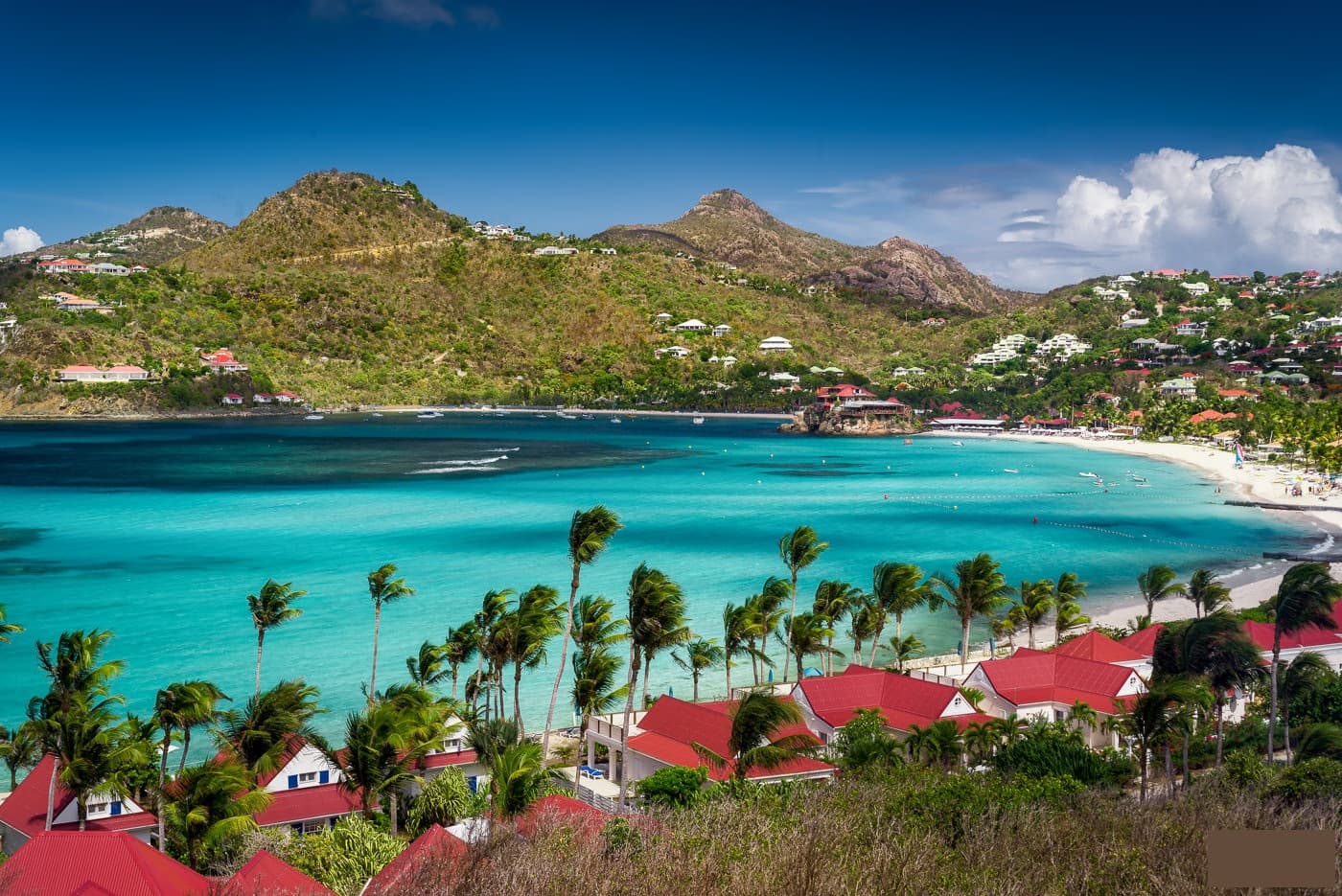
St. Barth, or Saint-Barthélemy on official paperwork, is a small French island in the Caribbean. It covers about 25 square kilometers, which is under ten square miles, so you can drive from one end to the other in well under an hour. It is an overseas collectivity of France, which makes it French and European in its rules and its rhythms, and it runs on the euro. French law applies. French plates are on the cars. The bakeries sell real baguettes.
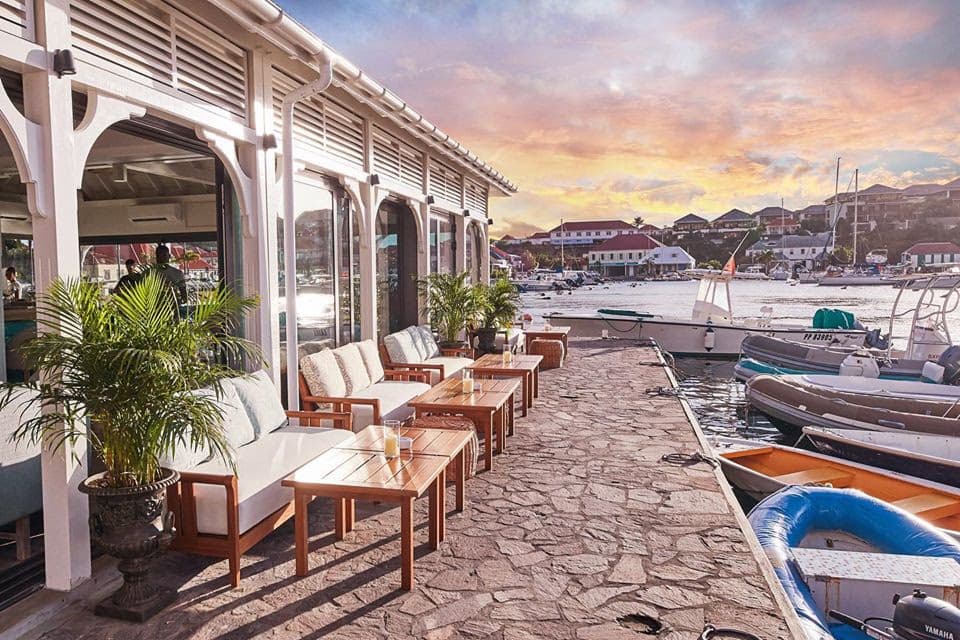
What it does not have matters just as much. There are no giant resorts. There are no casinos. Large cruise ships cannot dock here, so you never get the midday crush of a few thousand day-trippers pouring into a small town. Hotels are small. Villas are private. The whole island is built around beaches, good food, and a certain discretion. People come here to be left alone in comfort, not to be entertained by a boardwalk.
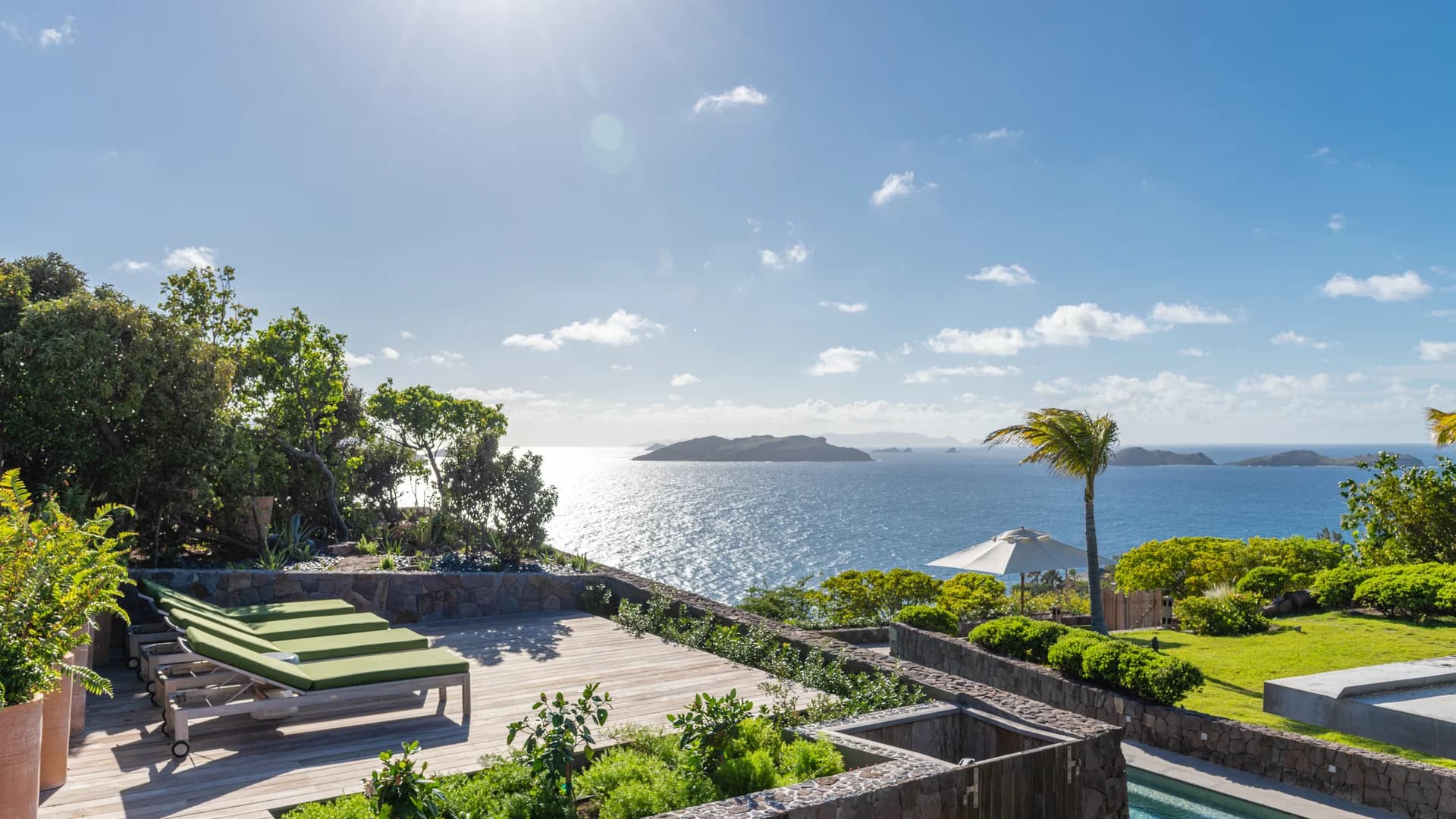
That sets the tone for a first trip. St. Barth is upscale and calm rather than loud and packed. If you are picturing a party-resort island with a swim-up bar and a nightclub on every corner, adjust the picture. The luxury here is quiet. It shows up in the quality of a villa, a well-run table at dinner, an empty stretch of sand in the morning, and the fact that nobody is hurrying you.
Getting to the island
No long-haul jet lands in St. Barth. That is the first thing to understand for a first trip. The runway is short and the airport only takes small aircraft in daylight, so you fly into a hub first, almost always Sint Maarten, and take the last short leg from there.
That final hop is either a small plane or a boat. The plane ride from Sint Maarten to St. Barth takes only a few minutes and it is a genuinely memorable little flight over the water. The boat is a calmer option that costs less and works well if you would rather stay on the sea than in the air. Either way, the connection is the part of the trip most worth getting right, because a missed link at the hub is what turns an easy arrival into a long day.
We plan this whole chain for guests all the time, from the hub connection to the last leg and the transfer waiting on the other side. If you want the detail on aircraft, timing, and the boat option, our page on getting to St. Barth by plane or boat lays it out. The short version for a first trip is simple. Book the long-haul into the hub and let someone handle the last leg. And do not schedule the connection too tight, because a little buffer at the hub saves a lot of stress.
Getting around once you arrive
St. Barth has almost no public transport. There is no Uber. There is no real bus system. Taxis exist but they are scarce, especially at night and on Sundays, and they are not something you can count on flagging down on a whim. For a first trip this surprises people who assume they will just grab rides as they go.
So most visitors rent a car. The island runs on small vehicles, little four-wheel drives and the open-sided Mini Moke that has become a kind of local mascot. The roads are steep, narrow, and winding, with sharp turns and short single-lane stretches, so a compact car is not a downgrade here. It is the right tool. Big SUVs are awkward on these hills. A small car parks easily in Gustavia and handles the climbs without drama.
If you would rather not drive at all, a private driver is the other way to do it, and plenty of first-timers choose that for at least the arrival and the dinners. It means no parking, no navigating dark hillside roads after a long meal, and no worrying about the one glass of rosé. We arrange cars and drivers both, and it is one message to sort out. You can see how we handle transport and the rest of the ground logistics through our St. Barth concierge service.
Money, cards, and a little cash
The island uses the euro. Not the US dollar, not a local currency, the euro. Cards are widely accepted across hotels, restaurants, shops, and car rentals, and you will not have trouble paying for most things with plastic.
Even so, carry some cash. The lolos, which are the casual open-air grills that serve some of the best and most honest food on the island, often prefer cash. So do small vendors, a few beach spots, and some taxis. You do not need a thick roll of it, but having a bit of euro on hand saves you the awkward moment at a grill counter. There are ATMs in Gustavia, the main town, and in St. Jean near the central beach, so you can top up once you are here rather than carrying a lot from home.
One practical note. Tell your bank you are traveling so a foreign charge does not get flagged and frozen on your first night. It is a small thing that quietly ruins an evening if you skip it.
Tipping the right way
Tipping trips up a lot of first-time visitors, especially Americans, so it is worth being clear. In France, and therefore in St. Barth, service is included by law. You will see it described as service compris. That means the staff are paid a real wage and the US-style habit of adding 15 to 20 percent on top of every bill is simply not expected here.
You are not being rude by not leaving a big tip. The bill already accounts for service. If someone goes out of their way for you, rounding up or leaving a little extra is a nice gesture and it is appreciated, but it is optional, not a duty. Do not feel you have to run the American math on every check. A first-timer who understands service compris relaxes a lot at the end of a meal.
When to go for a first trip
St. Barth has clear seasons, and the season you choose shapes the whole trip.
High season runs roughly from December to April. This is when the island is at its busiest and its most expensive. The stretch around Christmas and New Year is the absolute peak, when the harbor fills with yachts, the best villas book far ahead, and prices sit at their highest. If you want that scene, come then, but plan early. Really early. For a first trip where you would rather not fight for a table or a car, the peak weeks are the hardest to pull off smoothly.
The shoulder months are the quiet secret. May, June, and November tend to be calmer and better value, with the weather still warm and the island far less crowded. A lot of people who live here will tell you these are the sweet spots. You get the beaches, the restaurants, and the light without the peak-season pressure or the peak-season rates.
September and October are the low season. These are the quiet, hurricane-season months, and some hotels, restaurants, and shops close for the year to do maintenance. It can still be a fine time to visit if you like an empty island and you keep an eye on the weather, but for a first trip you want the island fully open, so I would lean toward the shoulder or high season instead. I am not going to quote you exact temperatures or rainfall, because those vary, but the broad shape of the year holds true.
What to pack and how to dress
The dress code here is easy to get right once you know it. Think elegant casual. By day it is resort wear, swimsuits, cover-ups, linen, sandals. In the evening people dress up a little, especially in Gustavia. The one rule worth remembering is that beachwear stays at the beach. Walking into a Gustavia restaurant at night in a swimsuit and flip-flops reads as out of place. You do not need a jacket and tie, but a shirt and a decent pair of shoes go a long way.
Pack light layers. Days are warm and evenings by the water can carry a breeze. Bring reef-safe sunscreen, which is better for the water and the marine life you will be swimming around. Good sunglasses, a hat, and comfortable shoes for the odd rocky path all earn their place. Beyond that, St. Barth is a place where less is more. Nobody is judging the size of your suitcase, and the smart move is to travel light because the small planes have real baggage limits anyway.
Bring insect repellent too, which brings up the next point.
Mosquitoes, honestly
Nobody puts this in the brochure, but it is a normal part of a tropical island and worth a sentence. There are mosquitoes on St. Barth, and they are more active after rain and around dusk. It is not a plague and it should not worry you, but the practical move is to bring a good repellent and use it, especially in the evening and especially after a wet spell. Cover up a little at dusk if you are sitting outside. A repellent in your bag is the difference between not thinking about it and scratching your ankles at dinner. First-timers who pack it are glad they did.
Language, power, and staying connected
The language is French. This is a French island through and through, and a little French is always welcome, even just bonjour when you walk into a shop, which is basic good manners here. Still, English is widely spoken across the tourism side of the island, in the hotels, restaurants, villas, and shops, so you will not be stuck. You do not need to be fluent to have a smooth trip.
On power, St. Barth uses the French and European standard. That means type C and type E plugs and 230 volts. If you are coming from North America, your devices and chargers will need an adapter, and anything that is not dual-voltage may need a converter too, though most phone and laptop chargers handle 230 volts fine on their own. Pack the adapter before you leave, because it is the sort of small thing that is annoying to source once you are here.
For phones and data, check with your carrier about roaming on a French network before you travel, or plan to use an eSIM, so you land connected rather than hunting for a signal.
Entry and paperwork
St. Barth is French territory, so you travel here on the same basic framework as France. You need a valid passport. Short-stay visa rules follow the French and overseas rules, and many nationalities can visit without a visa for a short stay, but the specifics depend on your own passport.
I am not going to give you legal specifics I cannot stand behind for every country, so the honest instruction is to check your own government's guidance and the official French entry requirements for your nationality before you book. A common-sense rule is to travel on a passport with plenty of validity left beyond your trip. If you are connecting through another country to reach the hub, check that country's transit rules too, since your route may touch more than one border. None of this is heavy. It is the same paperwork discipline any international trip asks for.
Beaches and a few local manners
Every beach in St. Barth is public. There are no private beaches here, even in front of the grandest hotels and villas, so you are free to walk the sand and swim wherever you like. That is one of the quietly great things about the island.
A couple of etiquette points that first-timers ask about. Topless sunbathing is common and completely accepted on the beaches. Full nudity, on the other hand, is not allowed. That is the simple line to remember. Beyond that, the island is small and it is safe, with the ordinary caution you would use anywhere, and the general pace is discreet and unhurried. People keep to themselves. Nobody is putting on a show. If you match that low-key energy, you will fit right in, and you will understand quickly why people who could go anywhere keep coming back to this particular rock.
How a concierge makes a first trip easy
A first trip has a lot of moving parts, and they all connect. The flight into the hub has to line up with the last leg. The last leg has to line up with a transfer. The transfer has to know which villa or hotel, and the villa has to be the right one for your group. The car or the driver has to be booked. The good tables have to be held, because the best restaurants fill up in season and a walk-in on a Friday night in February is a tough ask. Miss one link and the others wobble.
That is the whole reason a concierge exists, and it is what we do. We plan the arrival and the connection so nothing is left to chance. We match you to the right villa or hotel across the island rather than leaving you to guess from photos. We sort the car or the driver. We hold the tables. And because we live here, we are reachable on the ground while you are on the island, not a call center in another time zone. If a flight slips or a plan changes, someone local picks up.
For a first trip in particular, that is worth a lot. You get to enjoy the island instead of managing it. If you want to see how the whole thing fits together, or read more notes from people who live here, our Journal covers the island in detail, and the official St. Barth tourism office is a good neutral reference for the island itself.
Frequently asked questions
Do I need a passport for St. Barth?
Yes. St. Barth is French territory, so you travel on a valid passport. Depending on your nationality you may or may not need a short-stay visa, and the rules follow the French and overseas framework. Check your own government's guidance before you book, and travel on a passport with comfortable validity beyond your dates.
What currency is used and should I bring cash?
The island uses the euro. Cards are accepted almost everywhere, from hotels to restaurants to car rentals, so you can put most of your trip on plastic. Even so, carry some cash for the lolos, small vendors, and the odd taxi, since those sometimes prefer it. There are ATMs in Gustavia and St. Jean if you need to top up once you are here.
Do you tip in St. Barth?
Not the way you do in the United States. Service is included by French law, which you will see as service compris, so the 15 to 20 percent add-on is not expected. Rounding up or leaving a little extra for genuinely great service is a kind gesture and always appreciated, but it is optional rather than a rule.
Is there Uber or public transport in St. Barth?
No. There is no Uber and no real bus system, and taxis are scarce, especially at night and on Sundays. Most visitors rent a small car or a Mini Moke, or use a private driver. We arrange cars and drivers for guests, so you are not left stranded on arrival.
When is the best time to go for a first trip?
For a first trip, the shoulder months of May, June, and November are often the sweet spot, with warm weather, an open island, and fewer crowds than the December to April high season. The Christmas and New Year peak is a real scene but busy and pricey, and it books up far ahead. September and October are the quiet hurricane-season months when some places close, so they suit a first trip less.
Is St. Barth family friendly?
It is. The island is calm, safe, and easy to move around, and families do well here, particularly in a villa with space and a kitchen and a pool. It is not a place built around theme parks or kids' clubs, so the appeal is beaches, boat days, and slow time together rather than organized entertainment. Many villas suit families comfortably, and we can match you to one that does.
How do I get to St Barts?
You connect through a hub, usually Sint Maarten, then take a short last leg by small plane or by boat, because no long-haul jet lands on the island itself. Whether you write it St. Barth or St Barts, the route is the same, and it is the part of the trip most worth planning carefully. We handle the whole connection for guests so the links line up.
Do I need to speak French?
No. French is the local language and a friendly bonjour goes a long way, but English is widely spoken across the hotels, restaurants, villas, and shops. You can have a smooth first trip with no French at all, though a few polite words are always welcome.
Plan your first trip with GO SBH
A first time in St. Barth is easy when someone who lives here handles the pieces. We are on the island year-round, we know the connections, the villas, the drivers, and the tables, and we put the whole first trip together for you so you can just show up and enjoy it. Message us on WhatsApp with your dates and your group, and you will have a clear quote back in under an hour. That is the whole idea. You bring the vacation, we handle St. Barth.