
Where to Stay in St. Barth: A Neighborhood Guide
Choosing where to stay in St. Barth starts with the neighborhood, not the property. Each area of this small island has its own pace, its own view, and its own trade-offs.
The whole of Saint-Barthélemy covers roughly twenty-one square kilometers, about eight square miles. On a map that looks like nothing. In practice the roads are steep, narrow, and slow. The hills cut the island into distinct pockets, and a beach that sits five minutes from your villa as the crow flies can take fifteen to reach by car. That geography is the reason location matters more here than the headline name on the door. A quiet hillside above Gustavia and a lively beach in St Jean are both excellent choices, but they produce completely different weeks.
This guide walks through the island area by area. Who each neighborhood suits, what you trade for it, the beaches within reach, and where the marquee hotels sit. We cover the villa-versus-hotel decision in detail, what villa staffing usually includes, how the season changes the math, and how far ahead you really need to book. The aim is to help you narrow the map before you start comparing individual addresses. When you are ready to match a specific property to your dates and group, our stays team handles the rest from the island.
Where to stay in St. Barth: location before property
On a larger island you can pick a hotel or villa you like and sort out the surroundings later. St. Barth rewards the opposite order. Decide first whether you want to walk to dinner or drive to it, wake up to a wide beach or a hillside panorama, sit in the middle of the action or well outside it. Once that is settled, the shortlist of properties usually narrows to a handful, and the differences between them become easy to weigh.
Nowhere on the island is truly far. From most neighborhoods you can reach Gustavia in ten to twenty-five minutes, and the longest drives, out to Toiny on the windward coast, still come in under half an hour. So no single choice strands you. But the daily rhythm changes a great deal depending on where you base yourself. A couple who plan to eat in Gustavia most nights will find a town-side or Lurin address far more relaxing than a villa out east, where every dinner means a dark, winding drive home. A family with small children who want a calm lagoon will be happier on the protected water of Grand Cul-de-Sac than on the open swell of a windward beach.
The other practical reality is the driving itself. The roads are genuinely steep and tight, often single-lane in stretches, with blind curves and sharp gradients. Most people rent a small car or a Mini Moke and adapt within a day. If anyone in your group is uneasy behind the wheel, weight your choice toward the more central, walkable areas. Keep this map-first habit through the sections below, and let the property come second.
Gustavia: the harbor, the walkable choice
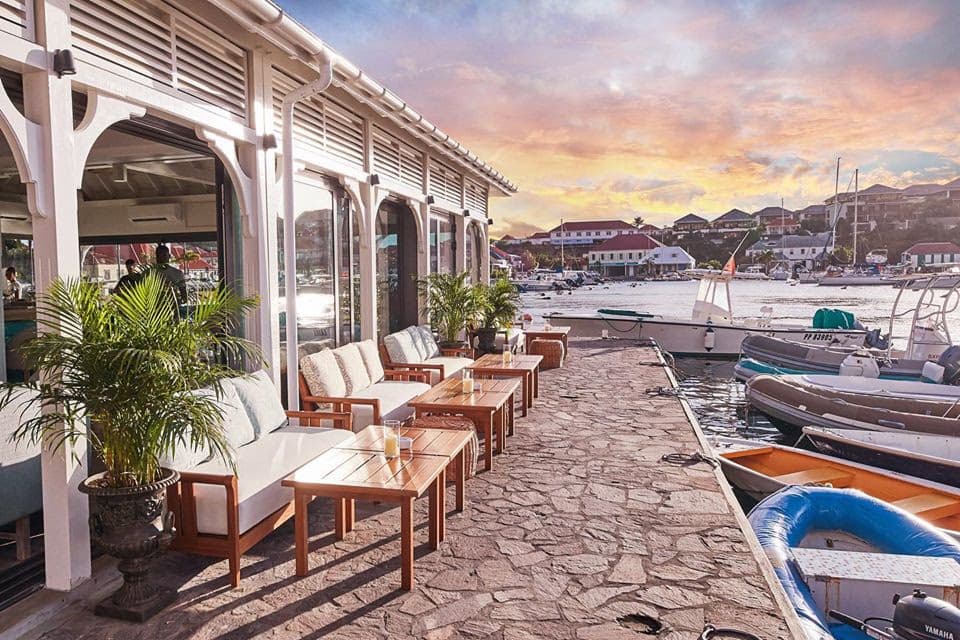
Gustavia is the capital and the only place on the island that feels like a town. It wraps around a working yacht harbor, with shops, restaurants, and the after-dinner scene all within a few minutes on foot. If you want to step out of your door, browse, eat, and have a drink without getting back in the car, this is the area that delivers it.
The inventory here leans toward in-town apartments and villas on the slopes that ring the harbor, many with views straight down onto the masts and the water. Hotels are limited in the center itself. The appeal of Gustavia is the town life, not a beach resort. Shell Beach, the small swimming cove closest to the harbor, is a short, flat walk from the quay and good for a quick dip, though it is not a long stretch of sand.
Who it suits: couples and friends who care about dining and nightlife, first-time visitors who want to feel the island's center of gravity, and anyone who would rather walk home than drive after dinner. The trade-off is that Gustavia is the busiest place on St. Barth and not where you go for a wide, quiet beach morning. Parking in town is also tight, especially in high season. If you base here you will appreciate being able to leave the car and walk. For the beach days, you drive out, which most Gustavia guests are happy to do.
St Jean: the central beach and Eden Rock
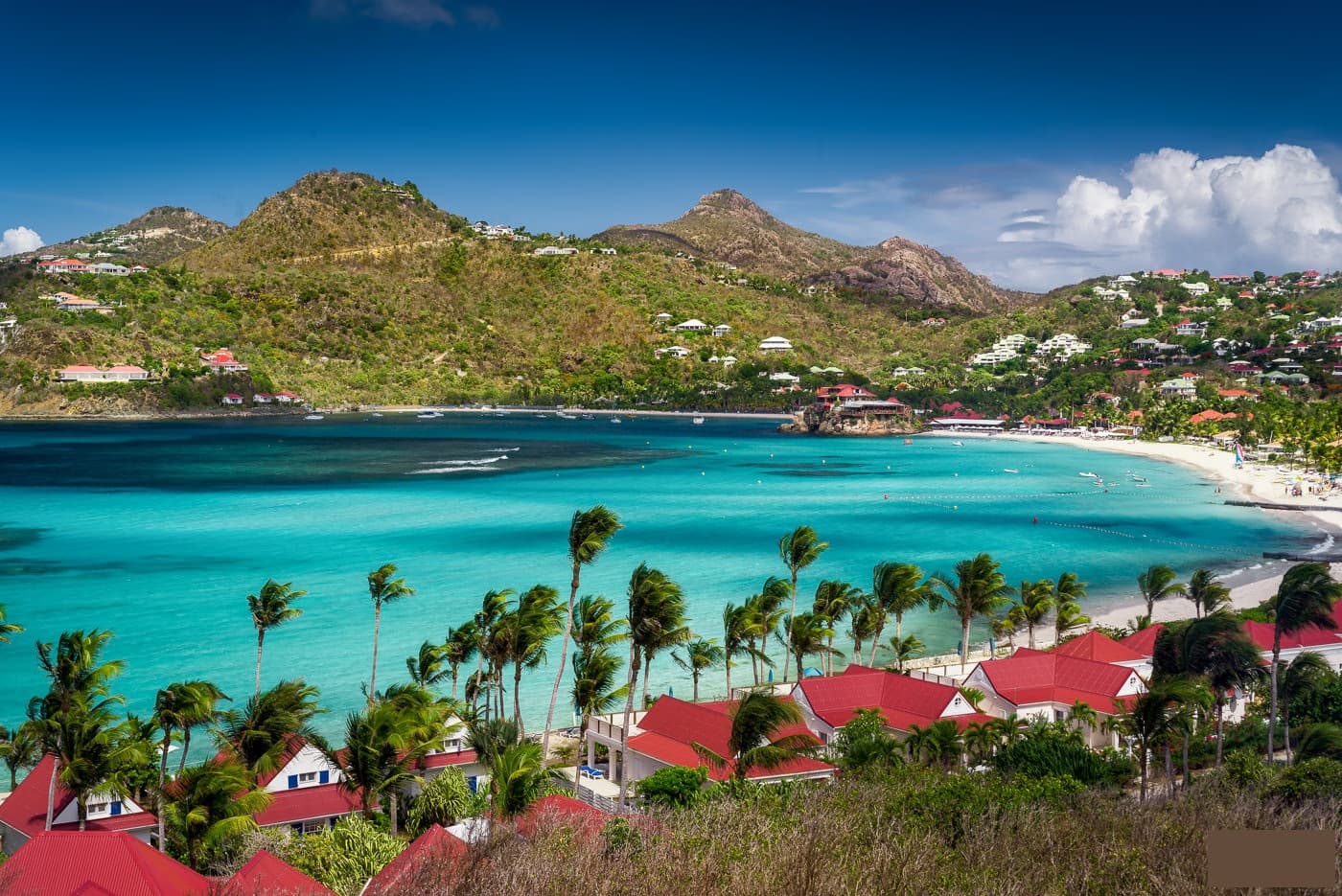
St Jean is the island's lively middle. The beach is a long, sheltered arc of sand split by the rocky point that holds Eden Rock - St Barths, the hotel that more or less defines the area. Around it sits a cluster of shops, beach restaurants, and easy energy, and the island's airport, SBH at Gustaf III, is right here too. That last point cuts both ways. The location is supremely convenient, and the famous short approach over the hill is part of the show, but it does mean some background activity that the quieter neighborhoods do not have.
Eden Rock perches on the central point with rooms and suites spilling toward the water on both sides. It is the marquee address for travelers who want service, a beach club, and a front-row seat to the St Jean scene. Around the bay you also find villas on the hillsides with long views over the sand, plus a good spread of mid-bay properties within walking distance of the shops.
Who it suits: first-timers who want to be central, couples and groups who like a beach with restaurants and life on it, and anyone who values being minutes from the airport. The trade-off is that St Jean is one of the busier, more developed parts of the island, so it is not the place for total seclusion. The swimming is calm and family-friendly, the snorkeling around the point is easy, and you are well placed to reach the rest of the island, since the central position keeps most drives short.
Lorient: quiet, residential, family-friendly
Just east of St Jean, Lorient slows down. It is one of the more residential, local-feeling neighborhoods, with a beach that has a gentle family side and a section that picks up enough swell to draw surfers. There is a small, lived-in village feel here, the kind of place where you see year-round island life rather than only visitors.
Accommodation is mostly villas and a few smaller properties tucked into the hillsides and along the shore. You do not come to Lorient for a grand resort or a buzzing scene. You come for a calmer base that still sits central, a few minutes from St Jean's shops and an easy run into Gustavia.
Who it suits: families who want a quiet, safe-feeling neighborhood with a manageable beach, returning visitors who prefer local texture over polish, and surfers who like being near the break. The trade-off is that the dining and nightlife are elsewhere, so you drive for both, though not far. The beach itself is a good all-rounder, sheltered for children at one end and worth a board at the other, and the central location means you are rarely more than fifteen minutes from anywhere you want to be.
Flamands: a long wide beach and Cheval Blanc
Flamands is where the beaches open up. It is a long, wide stretch of sand on the calmer northwestern side, less hemmed in than St Jean and noticeably more relaxed. The headline property is Cheval Blanc St-Barth Isle de France, set right on the beach, the kind of polished, full-service hotel that anchors a whole neighborhood's reputation.
Beyond the hotel, Flamands has a mix of beachfront and hillside villas, several with the wide-open sea views that this coast does so well. The bay catches enough surf at times to make the water feel alive without becoming difficult, and the broad beach gives everyone room to spread out, which is part of why it appeals to families and to couples who want space rather than scene.
Who it suits: travelers who want one of the island's best swimming and walking beaches with hotel service on tap, families who like room to roam, and couples after a calmer, more spacious feel than the central bays. The trade-off is distance from Gustavia's nightlife, though the drive in is short and scenic. If your ideal day is a long morning on a wide beach followed by a relaxed lunch and an early-evening drive into town, Flamands fits it neatly, and it pairs well with the undeveloped beaches a little further west.
Lurin: the hillside above Gustavia with the big views
Lurin is the high ground above Gustavia, a residential hillside that trades beach frontage for elevation and privacy. This is villa country in the classic St. Barth sense. Private properties set into the slope with sweeping views, often looking out toward the sea and the sunset, with the two most beautiful undeveloped beaches on the island, Gouverneur and Saline, within a short drive.
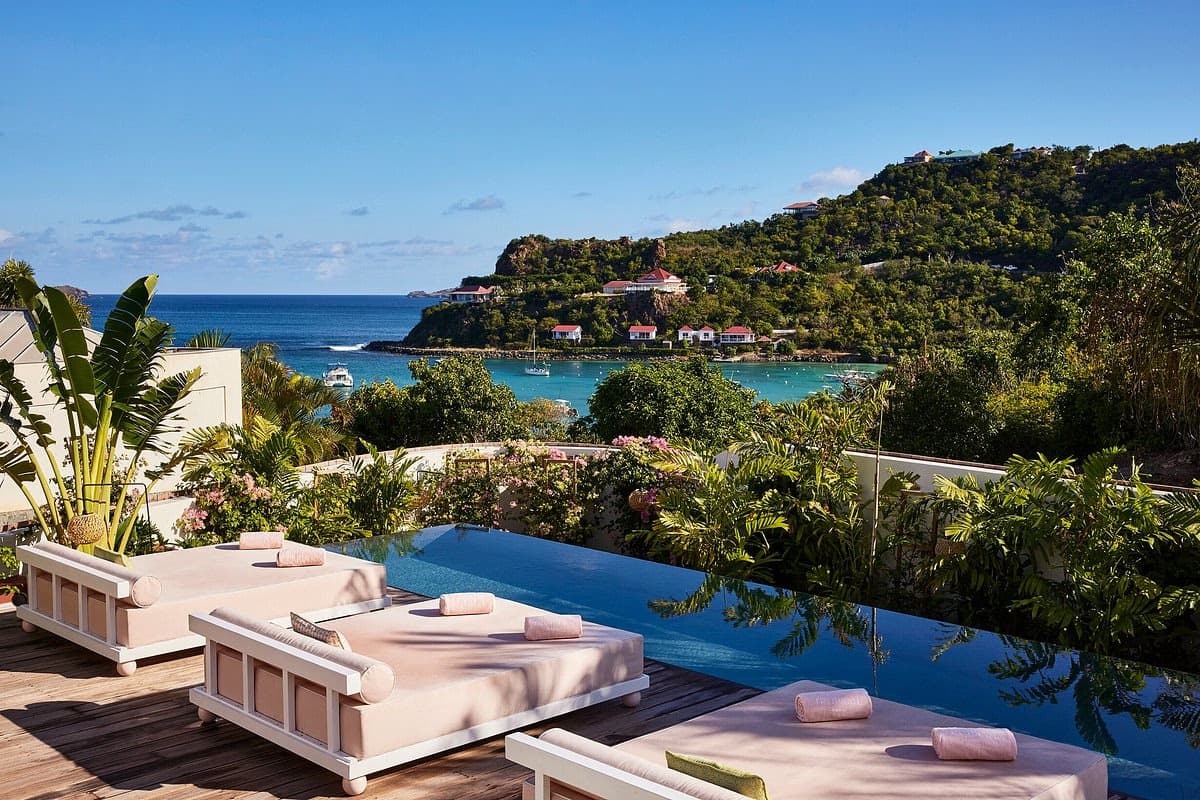
A Lurin villa tends to suit people who prioritize the view and the seclusion over walking to the sand. You are minutes from Gustavia for dinner, minutes from Gouverneur and Saline for the beach, and tucked away from the busier neighborhoods the rest of the time. Many of these houses are designed around the panorama, with pools and terraces oriented to make the most of the light through the day.
Who it suits: couples and groups who want privacy and a knockout outlook, repeat visitors who already know they would rather drive to the beach than stay on it, and anyone for whom the view from the terrace is half the trip. The trade-off is that everything, the beach included, involves a short drive, and the access roads are steep even by local standards. For travelers who value a private hilltop base near both town and the island's wildest beaches, Lurin is hard to beat, and a Gouverneur villa on the slopes leading down toward that bay offers a similar mix with the sand even closer.
Gouverneur and Saline: the wild beaches you visit, not stay on
It is worth treating Gouverneur and Saline as a pair, because they shape where many people choose to stay even though almost no one stays directly on them. These are two of the most beautiful and least developed beaches on St. Barth: broad, clean, and entirely undeveloped, with no facilities, no shade, no vendors, and no beach bars. You bring your own water, your own umbrella, and you leave as you found it.
That emptiness is exactly the appeal. A morning on Saline or Gouverneur is as close as the island gets to having a great beach to yourself, and it is the reason the hillsides above them, Lurin in particular and the slopes toward Gouverneur, are so prized. You stay nearby, drive over with what you need, and treat the beach as a destination rather than a doorstep.
Who it suits: anyone whose idea of a perfect beach day is space, quiet, and natural surroundings rather than service. The practical trade-off is real, so plan for it. Pack water, sun protection, and shade, because there is none, and time your visit so you are not caught at midday with nowhere to retreat. Couples and small groups who base themselves in nearby Lurin or on the Gouverneur slopes get the best of both, with the wild beach a few minutes one way and Gustavia's restaurants a few minutes the other.
Grand Cul-de-Sac: the family lagoon and the resort cluster
Grand Cul-de-Sac, on the eastern end, is built around a shallow, reef-protected lagoon, and that single feature makes it one of the most family-friendly bases on the island. The water inside the reef is calm and shallow, ideal for young children and for the kitesurfing and windsurfing the bay is known for, with the open sea breaking gently on the reef beyond.
This is also the island's main cluster of beachfront hotels. Rosewood Le Guanahani sits on its own stretch with the lagoon on one side, while Le Barthélemy Hotel & Spa and Le Sereno line the same protected water nearby. Between them, Grand Cul-de-Sac offers more on-the-beach hotel choice than anywhere else on St. Barth, alongside villas set around the bay and on the slopes above it.
Who it suits: families with children who want safe, shallow water and on-site service, couples and friends drawn to wind sports, and anyone who wants to stay directly on a calm beach with resort amenities. The trade-off is the distance from Gustavia, the longer of the island's short drives, though still well under half an hour, so dinners in town mean a bit more road than they would from St Jean. For many guests that is a fair price for the lagoon, the protected swimming, and the concentration of beachfront hotels.
Pointe Milou and the sunset side
Pointe Milou is the headland known for its sunsets and its dining. It is not a beach neighborhood in the swimming sense. The draw is the western light, the cliffs, and the after-dark scene that gathers here, along with Hotel Christopher set on the point with wide sea views.
Villas in Pointe Milou tend to be cliffside, built to face the sunset, with pools and terraces angled at the horizon. You stay here for the outlook and the evenings rather than for stepping onto sand, and you drive to the swimming beaches, none of which are far.
Who it suits: couples and groups who care most about the view, the sunset, and being near a lively evening scene, plus anyone happy to make the beach a short drive rather than a walk. The trade-off is the lack of a true on-foot swimming beach, balanced by some of the best light on the island and an easy run to the central bays. Hotel Christopher gives the area a full-service anchor for travelers who want resort amenities on the sunset side without committing to a private house.
Toiny, Anse des Cayes, Colombier, and the quiet edges
The island's edges reward travelers who actively want remoteness, and three areas stand out. They are not for everyone, which is rather the point.
Toiny
Toiny is the wild windward coast: remote, dramatic, and exposed to open swell, with surf and a sense of real distance from the rest of the island. Le Toiny is the hotel here, a discreet, private property that suits couples and travelers who want seclusion above all and do not need to be near town or a calm swimming beach. The water on this coast is for surfers and for watching, not for easy family swimming, and Toiny is the furthest of the island's short drives from Gustavia, still under half an hour but the longest you will do regularly.
Anse des Cayes
Anse des Cayes, on the northern side, is a quieter pocket with a beach that catches surf and a relaxed, local feel. Hotel Manapany sits here for travelers who want a calmer base with hotel service, away from the busier central neighborhoods but still within an easy reach of St Jean and the airport.
Colombier and Corossol
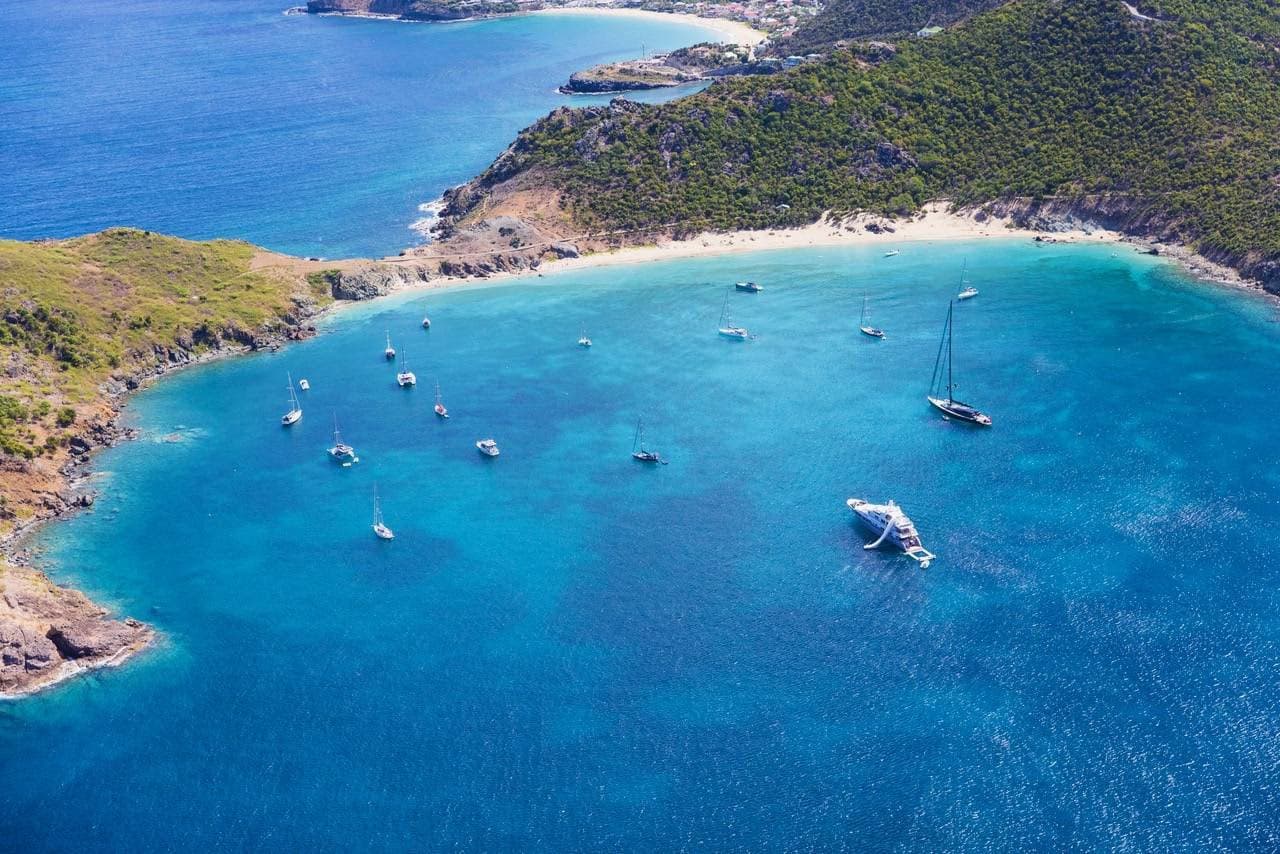
Colombier is a quiet residential area at the northwestern tip, and its namesake beach is one of the island's most secluded, reachable only by boat or a coastal hike rather than by road. Stay here for stillness and views, and treat that beach as a small adventure rather than a casual stroll. Nearby Corossol remains a traditional fishing village, a window into the island's working life. These edges suit returning visitors and couples who already know they want quiet over convenience.
Villa or hotel: how to decide and what villa staff includes
Most of the island's luxury inventory is private villas, and that fact shapes the whole market. The choice between a villa and a hotel is less about budget than about the kind of week you want.
A villa gives you privacy, space, a full kitchen, and usually staff, which makes it the natural choice for families and groups who want to spread out, cook or be cooked for, and run the day on their own clock. A hotel gives you service, on-site dining, a beach club, and zero logistics, which makes it the easy choice for couples and first-timers who would rather not manage anything. Both are valid. They simply solve different problems.
What villa staffing usually includes
- Housekeeping comes with most villas as standard, typically several days a week, keeping the house and pool in order through your stay.
- A private chef can be added for some or all meals, from breakfast and provisioning to full dinners, which is one of the strongest reasons groups choose a house over a hotel.
- A driver can be arranged for guests who would rather not navigate the steep, narrow roads themselves, particularly useful in high season and for evenings out in Gustavia.
- Pre-arrival provisioning, so the kitchen and bar are stocked to your preferences before you land, turns the first evening from an errand into a real arrival.
The practical upshot is that a well-staffed villa can offer much of a hotel's ease without giving up privacy or space. Deciding between the two, and getting the staffing right, is one of the main things our concierge team handles when matching guests to properties.
Best areas for families, couples, groups, and first-timers
The same island reads very differently depending on who is traveling, so it helps to match the group to the map.
Families
Grand Cul-de-Sac is the standout for families with young children, thanks to the shallow, reef-protected lagoon and the cluster of beachfront hotels. Lorient offers a quieter, residential alternative with a manageable beach, and Flamands gives families a wide beach with room to spread out and hotel service close by.
Couples
Couples have the widest field. Lurin and Pointe Milou deliver private hillside villas with big views and sunsets. Flamands and Toiny offer calm and seclusion with a marquee hotel each, and Gustavia suits couples who want to walk to dinner. The choice comes down to whether you want beach-on-the-doorstep or view-from-the-terrace.
Groups
Groups of friends or several families usually do best in a larger villa with staff, where the shared kitchen, pool, and living space matter more than beach frontage. Lurin and the Gouverneur slopes are natural fits, with privacy, views, and an easy run to both Gustavia and the wild beaches.
First-timers
First-time visitors are often happiest somewhere central, St Jean or Gustavia, where you can feel the island's rhythm, reach everything quickly, and decide for next time which quieter corner you would rather settle into.
Getting around: Mini Moke, parking, and the short-but-slow drives
Plan to drive. The standard move on St. Barth is to rent a small car or an open-sided Mini Moke, which suits the warm weather and the narrow lanes and has become something of the island's signature vehicle. Whatever you choose, keep it small, because the roads and the parking both reward it.
The driving takes a short adjustment. Roads are steep, narrow, and winding, with sharp gradients and blind curves, and a few stretches effectively single-lane where you yield to oncoming traffic. None of it is dangerous at a sensible pace, and most visitors are comfortable within a day, but it is the reason a nervous driver should base somewhere central and walkable, or arrange a driver through the villa.
The one place parking gets genuinely tight is Gustavia, especially at dinner time in high season. If you are staying in town you can often walk and skip the problem entirely. If you are driving in, go a little earlier than you think you need to. Everywhere else, parking is straightforward. Keep in mind the core fact that makes all of this workable. Nowhere on the island is more than about twenty to twenty-five minutes away, so even the longest drive home from dinner is short, just slow and dark on the far coasts.
When to go, and how the season changes the choice
Season shapes both the price and the feel of a St. Barth stay, and to some extent the choice of where to base yourself.
Peak is the Christmas and New Year stretch and the month of February. These are the highest rates of the year, they come with minimum-stay requirements, and the best villas and hotel rooms go early, so this is the window you book farthest ahead. High season runs roughly December through April, with reliably good weather and a busy, social island, particularly in Gustavia and St Jean.
The shoulder months, May and June and again in November, are the quiet sweet spot for many travelers. Better value, a calmer island, and most restaurants and shops still open. If you want the wide beaches of Flamands or the lagoon at Grand Cul-de-Sac with fewer people around, this is when to come. September and October are hurricane season, with the lowest prices of the year but also the real prospect that many hotels and restaurants close for the period, so it suits flexible, self-sufficient travelers more than first-timers.
The seasonal angle on location: in peak weeks the central, walkable neighborhoods feel busiest and parking in Gustavia is at its tightest, which nudges some guests toward private villas in Lurin or the eastern bays. In the shoulder, the calmer beaches need less strategy, and almost any base works comfortably.
How far ahead to book and what a concierge handles
For peak dates, far ahead. The Christmas and New Year window and February sell out earliest, carry minimum-stay requirements, and leave the slowest planners with the thinnest choice, so the best villas and rooms for those weeks are often committed many months out. High season generally wants a healthy run-up too. For the shoulder months you have more flexibility and can move closer to your dates, and hurricane season has the most availability of all, with the caveat that you should confirm what is actually open.
What a concierge does, beyond simply booking, is the part that is hard to do from a distance. That includes vetting villas in person so the photographs match the reality, securing negotiated rates and the right minimum-stay terms, and arranging the staffing, housekeeping, pre-arrival stocking, and an added chef or driver, so the house is ready the moment you land. It also means matching the neighborhood to your group rather than to a listing, which is the whole point of this guide. Our team lives and works on St. Barth year-round, which is why the stays we recommend tend to fit the way you actually plan to spend the week.
Frequently asked questions
Which neighborhood is best for first-time visitors to St Barts?
St Jean and Gustavia are the easiest first bases. Both are central, so most drives are short, and both put you close to shops, restaurants, and the island's energy. St Jean adds a calm, family-friendly beach and the convenience of being beside the airport. Gustavia lets you walk to dinner and nightlife. From either, you can see the rest of the island over a week and decide which quieter corner you would prefer next time.
Where should families with young children stay?
Grand Cul-de-Sac is the strongest choice for families with small children because of its shallow, reef-protected lagoon, where the water is calm and the swimming is safe, plus a cluster of beachfront hotels including Rosewood Le Guanahani, Le Barthélemy Hotel & Spa, and Le Sereno. Lorient is a good quieter alternative with a gentle beach, and Flamands offers a wide beach with room to spread out and hotel service nearby.
Is it better to book a villa or a hotel in St. Barth?
It depends on the trip. Most of the island's luxury inventory is private villas, which give you privacy, space, a kitchen, and staff, making them ideal for families and groups. Hotels give you service, on-site dining, a beach club, and no logistics to manage, which suits couples and first-timers. A well-staffed villa can deliver much of a hotel's ease, since housekeeping usually comes standard and a chef or driver can be added.
Where are the main hotels on St. Barth located?
Eden Rock - St Barths sits on the point in St Jean. Cheval Blanc St-Barth Isle de France is on the beach at Flamands. Le Toiny is on the remote windward coast at Toiny. Rosewood Le Guanahani, Le Barthélemy Hotel & Spa, and Le Sereno line the lagoon at Grand Cul-de-Sac. Hotel Christopher is on the sunset side at Pointe Milou, and Hotel Manapany is at Anse des Cayes on the northern side.
Do I need a car, and how hard is the driving?
Most visitors rent a small car or a Mini Moke, and you generally do want one, since the beaches and restaurants are spread across the island. The roads are steep, narrow, and winding, which takes a day to get used to, but nowhere is more than about twenty to twenty-five minutes away. If anyone in your group is uneasy driving, base yourself somewhere central and walkable like Gustavia, or arrange a driver through your villa.
When is the best time to visit, and how far ahead should I book?
High season runs roughly December through April with reliably good weather. The peak is Christmas, New Year, and February, with the highest rates, minimum-stay requirements, and the earliest sellouts, so book those windows far in advance. May, June, and November are the quieter, better-value shoulder months with most places still open, while September and October are hurricane season with the lowest prices but many closures.
Are Gouverneur and Saline good places to stay?
You visit Gouverneur and Saline rather than stay on them. They are two of the most beautiful, undeveloped beaches on the island, with no facilities, shade, or vendors, which is exactly their appeal. The smart move is to base nearby, on the Lurin hillside or the slopes toward Gouverneur, and drive over with your own water and shade. That gives you the wild beach a few minutes one way and Gustavia's restaurants a few minutes the other.
What does a St. Barth concierge actually handle for accommodation?
A concierge does the work that is hard to manage from a distance: vetting villas in person so the listing matches reality, securing negotiated rates and workable minimum-stay terms, and arranging housekeeping, pre-arrival stocking, and an added chef or driver. Most importantly, a good concierge matches the neighborhood to your group rather than to a listing, so the base fits how you actually plan to spend the week.
Plan your stay with people who live here
Once you have a neighborhood in mind, the next step is matching it to the right villa or hotel for your dates and group, and that is where local knowledge earns its keep. Tell our stays team what you are after and our concierge will reply on WhatsApp with a quote in under an hour, drawing on staff who live and work on St. Barth year-round to vet the property, negotiate the rate, and have the house stocked and ready before you land.